Welcome
Welcome to the website of the Girls’ Learning and Empowerment Project in the Democratic Republic of the Congo
Welcome to the website of the Girls' Learning and Empowerment Project
Discover PAAF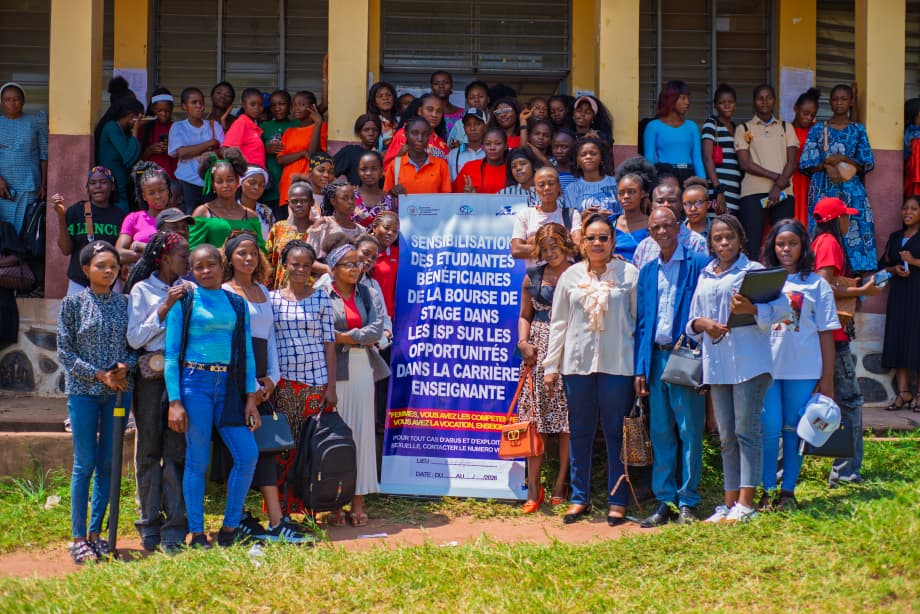
Welcome
Welcome to the website of the Girls' Learning and Empowerment Project
Discover PAAFIn the DRC, girls continue to face significant barriers to enrolling and remaining in secondary school, including sociocultural pressures, early marriage, economic constraints, gender-based violence, inadequate school infrastructure, and unsafe learning environments. The PAAF is aligned with the Sectoral Strategy for Education and Training (SSEF), which aims, among other things, to foster an education system that is more equitable, of higher quality, and better governed.
The development objective of the PAAF is to improve safe and equitable access to secondary schools—particularly for girls—and to strengthen the quality of teaching and learning in the targeted provinces. It also seeks to promote inclusive, safe, and violence-free schools, specifically by addressing sexual exploitation, sexual abuse, and sexual harassment.
The objectives of the PAAF are to achieve sustainable improvements in access to, safety within, and the quality of secondary education in the DRC, with a particular focus on girls and the most disadvantaged areas.
Improve safe and equitable access to secondary education, especially for girls.
Create high-quality, safe, and inclusive school environments that are free from violence, including gender-based violence (GBV).
Increase the representation of women in the teaching profession, notably through the recruitment of qualified young female teachers aged 21 to 34.
Promote school governance, civic engagement, and efforts to combat practices that hinder access to education.
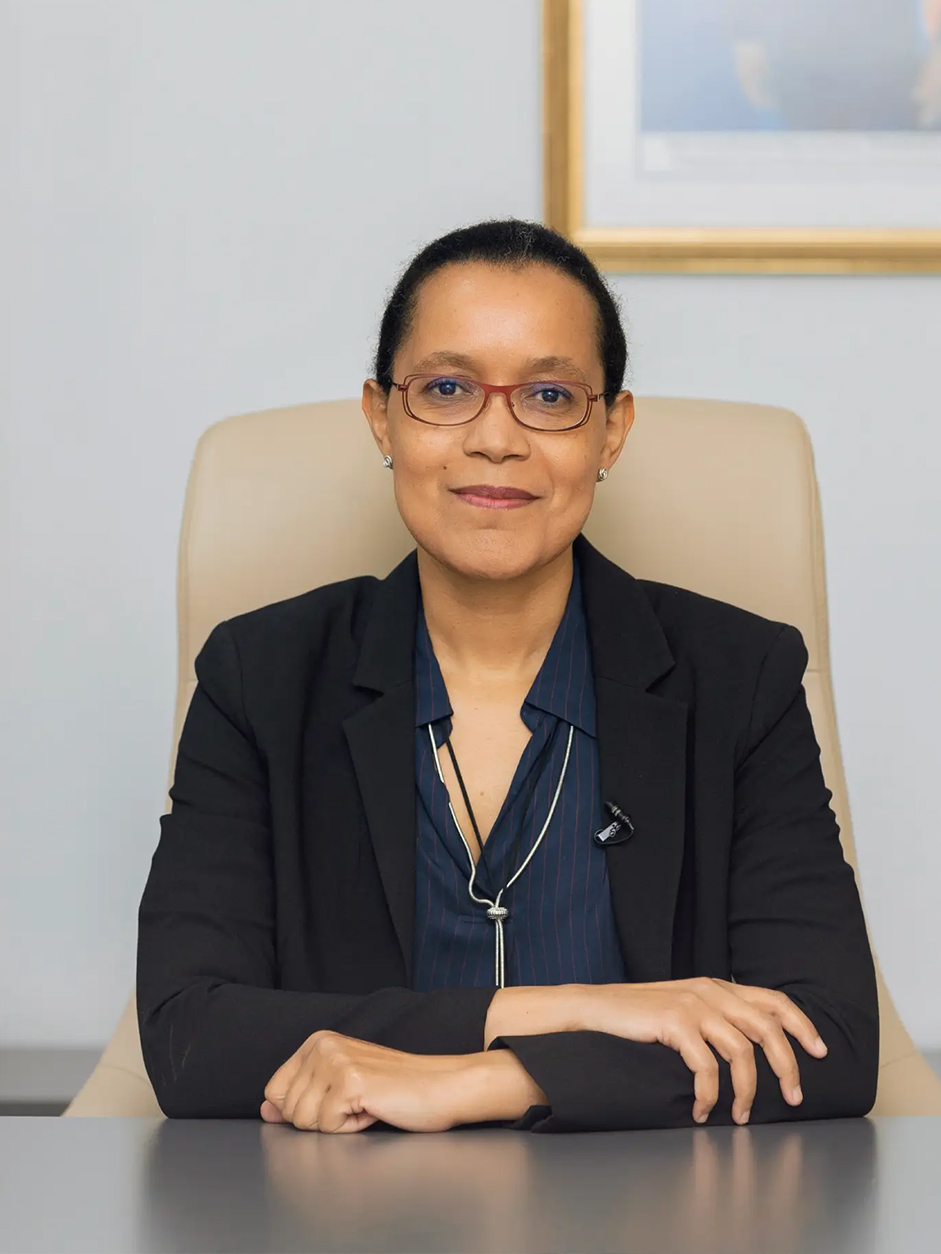
Raïssa MALUMinistre d’État, Ministre de l’Éducation Nationale et Nouvelle Citoyenneté
Covering tuition fees for girls in public secondary schools and providing financial support to families/guardians to combat school dropouts.
Construction and renovation of classrooms, provision of teaching materials, smart labs, and photovoltaic energy solutions for schools.
Recruitment of new female teachers and strengthening of professional development for teaching staff.
Updating school curricula (with a focus on science, gender, inclusion, and digital literacy/AI).
Prevention of and response to gender-based violence (GBV) in school settings.
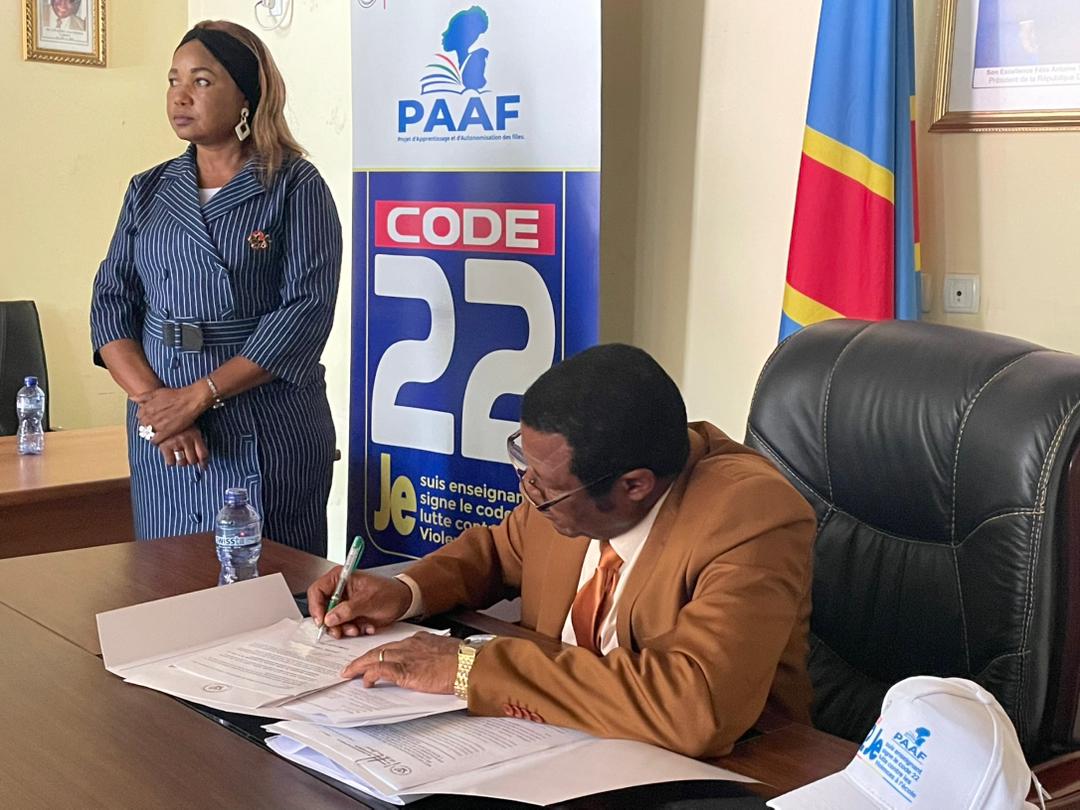
Active promotion of the signing and observance of codes of conduct by administrative and teaching staff to combat violence in schools.
This first lever aims to remove the financial, geographical, and social barriers that prevent adolescent girls from accessing secondary education.
The project invests directly in strengthening the overall capacity of the education system for the benefit of all students.
This final lever ensures governance, operational efficiency, and the long-term impact of the interventions.
Nous vous présentons la Coordination du Projet d’Apprentissage et d’Autonomisation des Filles (PAAF) en République démocratique du Congo. Placée sous la tutelle du Ministère de l’Éducation nationale et Nouvelle Citoyenneté, l’Équipe de Coordination du Projet (ECP) assure le pilotage, la coordination et le suivi de la mise en œuvre du PAAF à travers le pays. Elle travaille en étroite collaboration avec les services du Ministère, les autorités provinciales, les écoles, les partenaires techniques et les communautés afin de garantir une mise en œuvre efficace, transparente et orientée vers les résultats.
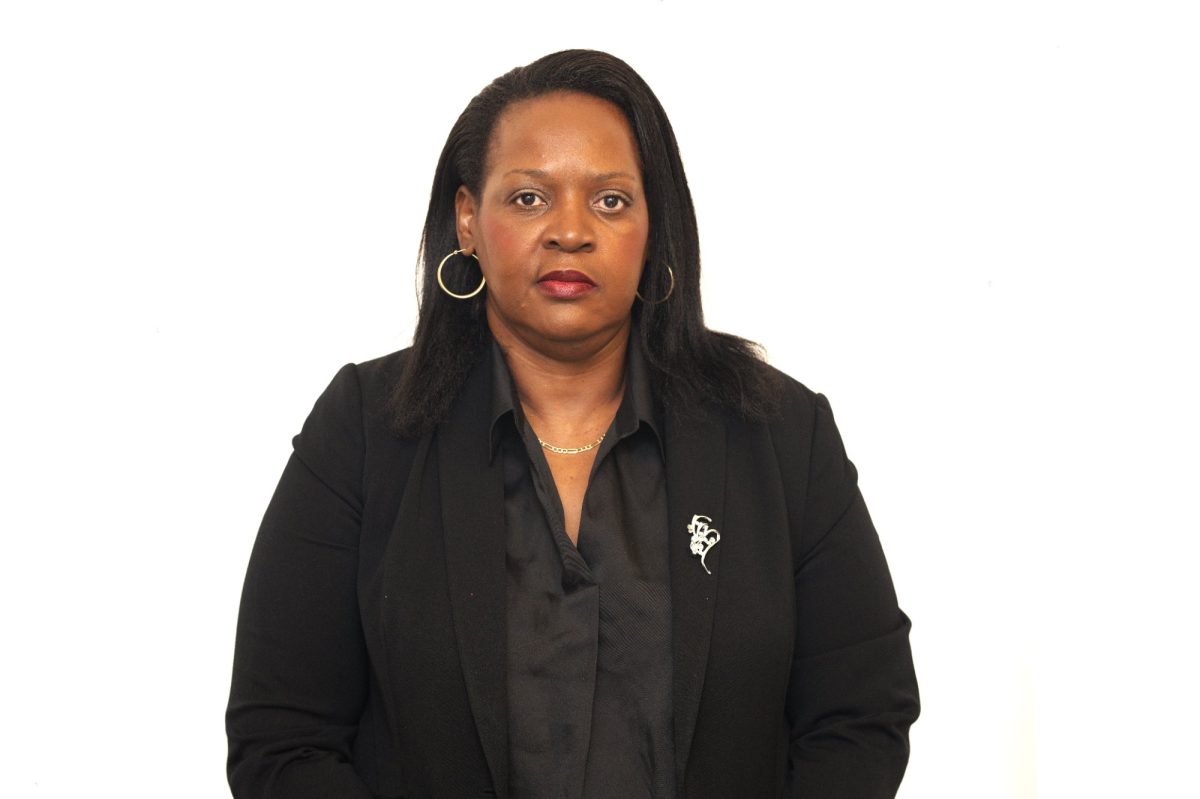
COORDONNATRICE DELEGUEE
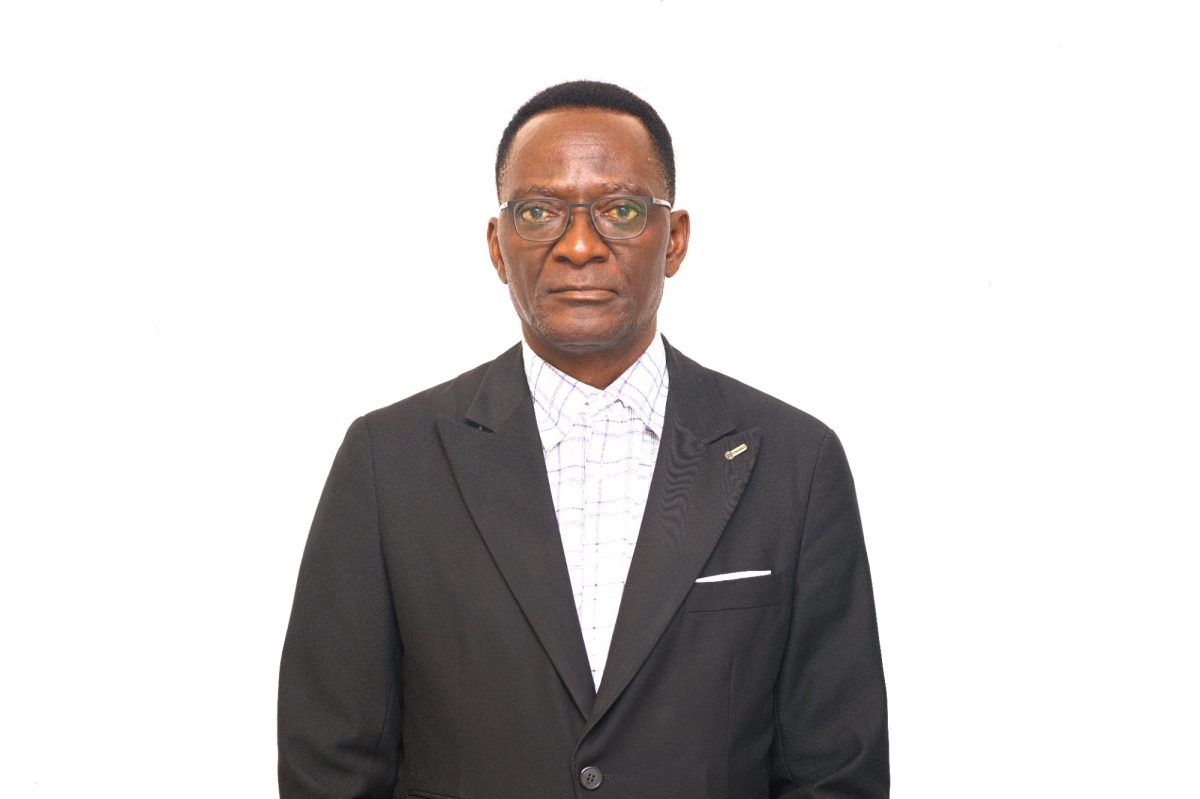
SPECIALISTE PLANIFICATION SUIVI ET EVALUATION
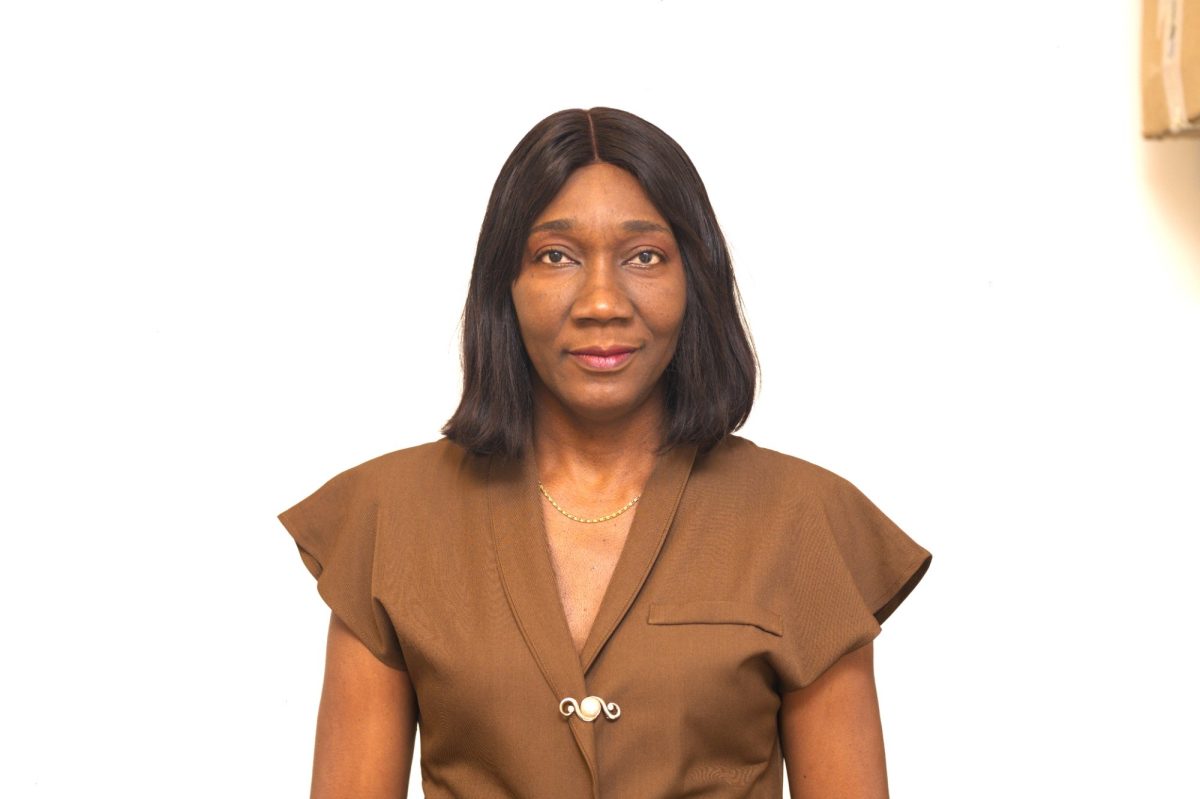
RAF
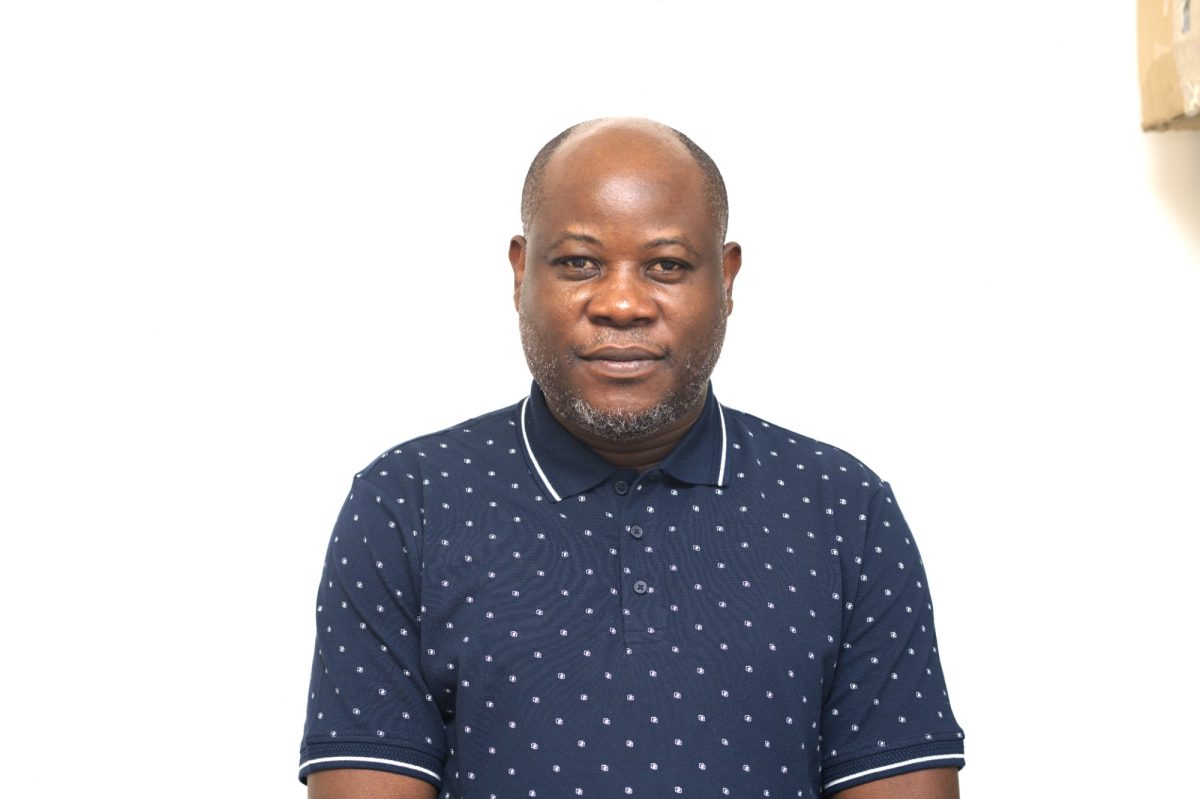
SPECIALISTE EN SYSTEMES TIC
Statistics
Map
PAAF province of intervention
Nous sommes dans 5 territoires et 12 écoles
PAAF province of intervention
Nous sommes dans 6 territoires et 20 écoles
PAAF province of intervention
Nous sommes dans 4 territoires et 10 écoles
PAAF province of intervention
Nous sommes dans 5 territoires et 9 écoles
PAAF province of intervention
Nous sommes dans 3 territoires et 12 écoles
PAAF province of intervention
Nous sommes dans 5 territoires et 20 écoles
PAAF province of intervention
Nous sommes dans 6 territoires et 20 écoles
PAAF province of intervention
Nous sommes dans 5 territoires et 8 écoles
PAAF province of intervention
Nous sommes dans 7 territoires et 25 écoles
PAAF province of intervention
Nous sommes dans 3 territoires et 12 écoles
Base map : © OpenStreetMap (ODbL), geoBoundaries